
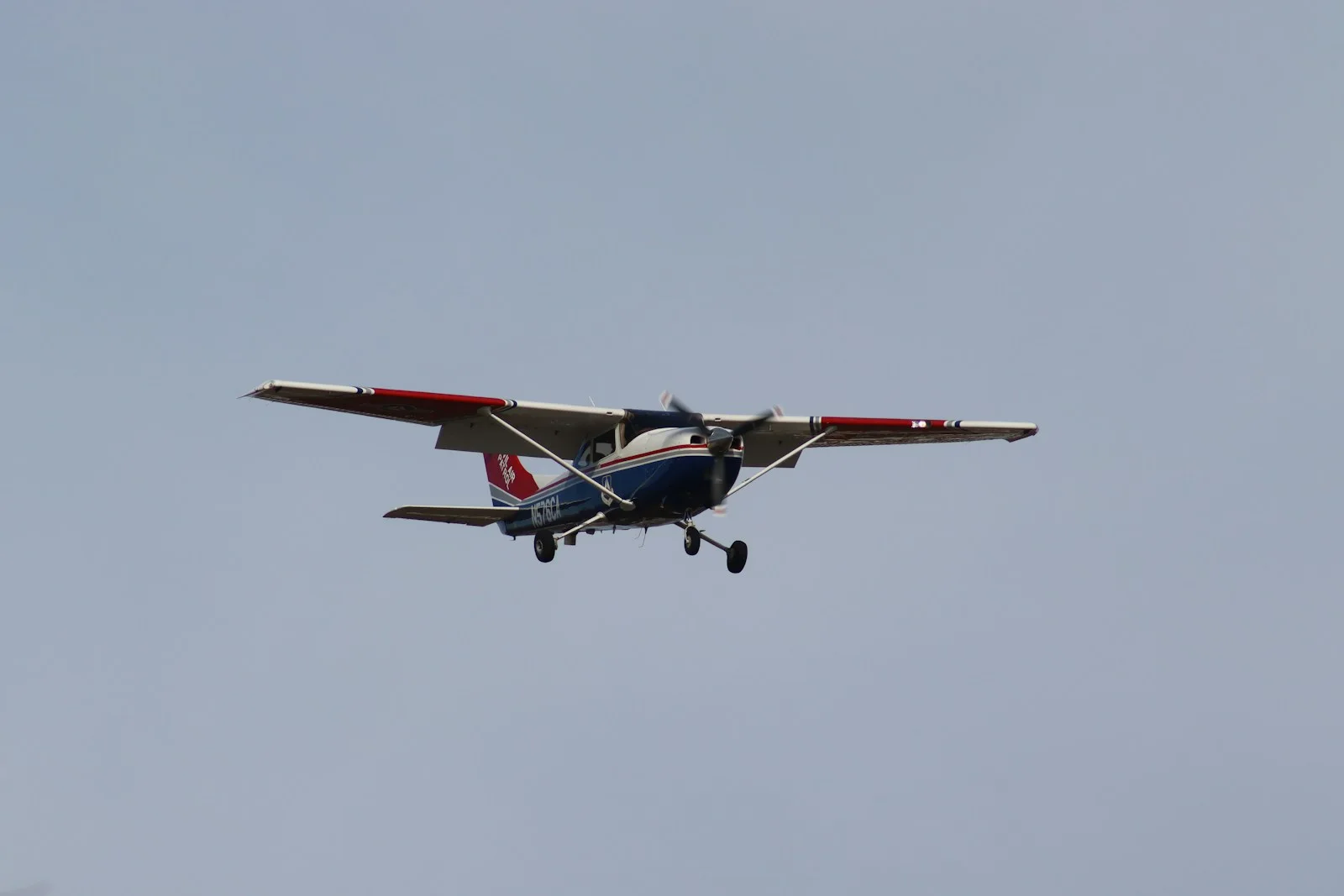
HYPOTHETICAL EXAMPLE
An operational scenario
A student transitions from dual instruction to solo flight and damages a school aircraft. The rental agreement, approved pilot or student provisions and any renter policy may address different responsibilities.
Illustrative example only; this is not a Montridge client or reported claim.
The insurance distinction
Part 141 certification and training under other applicable rules describe regulatory contexts. They are not substitutes for the insurance policy’s approved uses, pilot requirements, insured definitions or physical damage provisions.
What to examine
Review aircraft utilization, student experience, instructor employment, independent instruction and rental without instruction. Examine deductibles, recovery rights and the way insurance responsibilities are explained to students before aircraft use.
Evidence to gather
- Fleet schedule and aircraft values
- Training and rental agreements
- Instructor qualifications and employment arrangements
- Student dispatch and maintenance procedures
Questions for your review
- Are solo flight and each training activity accepted?
- Which instructors are insured and in what capacity?
- Can the insurer seek recovery from a student or renter?
References and review status
- FAA pilot schools Part 141
School certification, not policy requirements
References support the indicated background topic. Review questions are educational analysis; no specific policy specimen has been supplied. Source checks: November 12, 2026.