
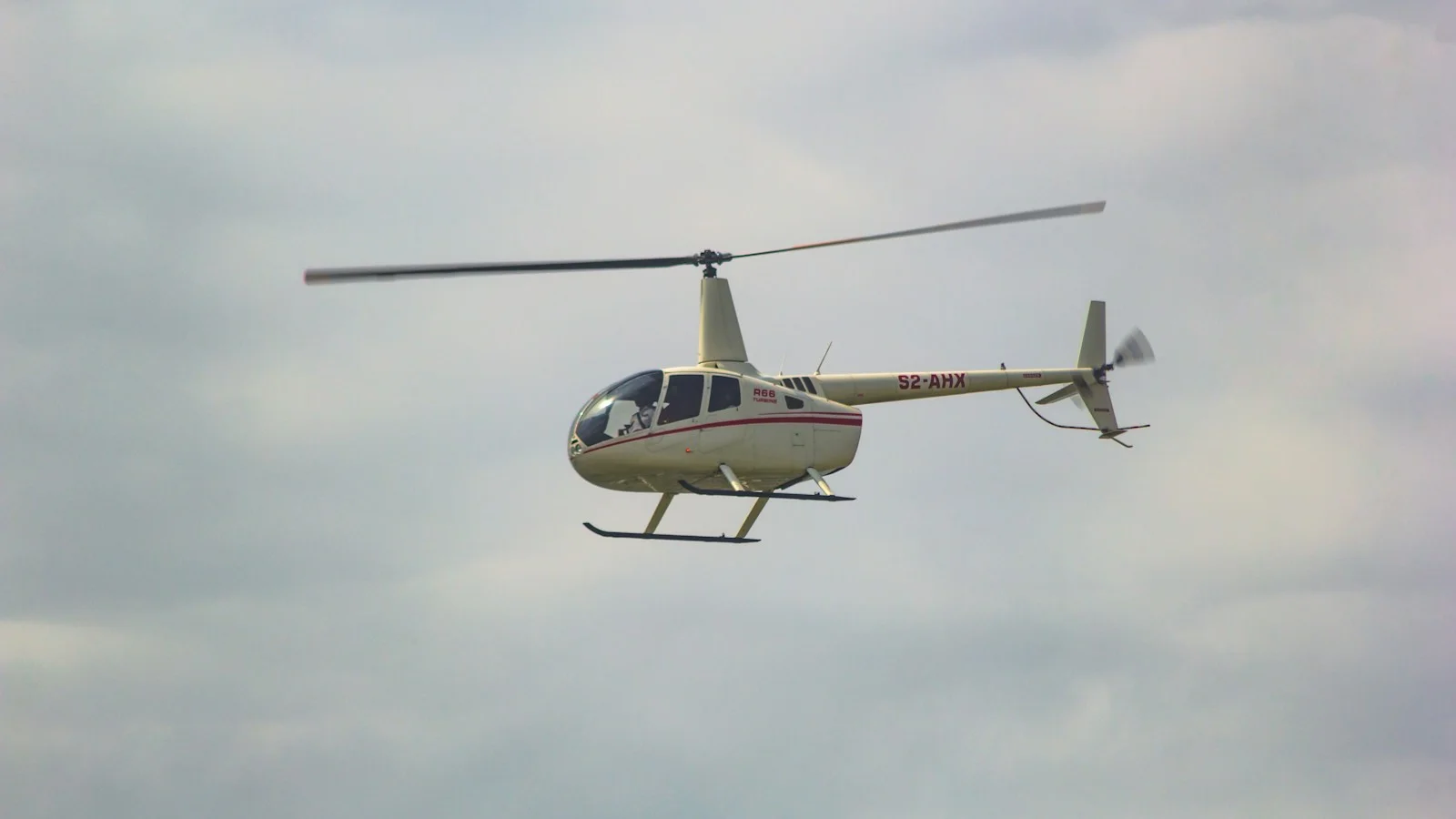
HYPOTHETICAL EXAMPLE
An operational scenario
An operator adds a customer assignment involving temporary landing locations and specialized equipment. The mission changes ground exposure, flight profile and contractual requirements even though the aircraft remains unchanged.
Illustrative example only; this is not a Montridge client or reported claim.
The insurance distinction
Hull, passenger and third-party liability, equipment interests and contractual obligations need separate analysis. A broad aircraft description does not establish that a new aerial-work use has been accepted.
What to examine
Review each mission, aircraft configuration, crew experience, landing-site arrangements, territory and subcontractor role. Ask for insurer confirmation before assuming a materially different activity fits the existing declared use.
Evidence to gather
- Mission and use schedule
- Aircraft and attached-equipment values
- Pilot experience and mission-specific training
- Customer contracts and landing-site arrangements
Questions for your review
- Which activities are expressly contemplated by the policy?
- Who insures customer equipment aboard or attached to the aircraft?
- Are temporary landing-site liabilities addressed?
Watch the related explanation
Helicopter and Rotorcraft Insurance: Key Risks, Liability & Hull Coverage
Select the thumbnail to load YouTube. Third-party privacy terms apply.
References and review status
- USAIG aircraft coverage FAQ
Example of insurer-specific hull liability and passenger distinctions; its specific terms must not be generalized - AOPA discussion of aircraft underinsurance
Valuation review context; no specific settlement promise - USAIG buying aviation insurance
General aircraft coverage context; actual form required
References support the indicated background topic. Review questions are educational analysis; no specific policy specimen has been supplied. Source checks: November 12, 2026.